

The Falkland Islands
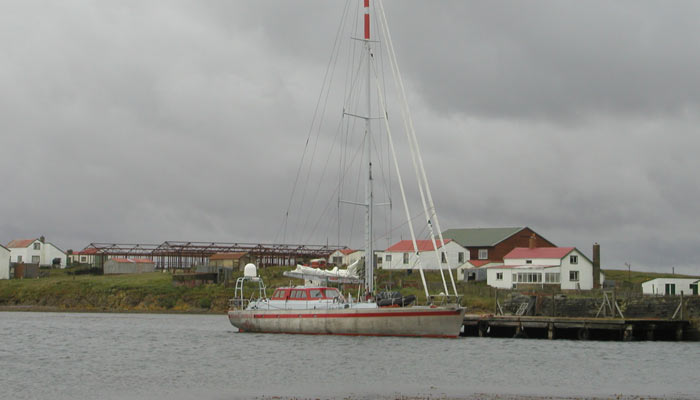
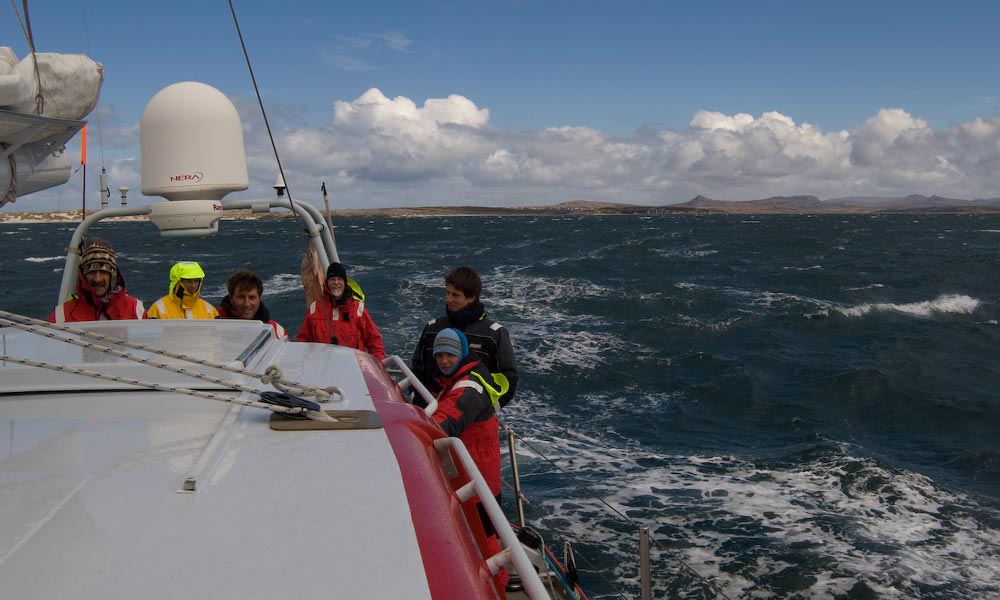
At first glance, The Falkland Island landscape is stark to say the least, but this complex archipelago is rich in rewards. In addition to some challenging navigation with the vagaries of strong winds and sometimes ferocious currents, we would concentrate on the wildlife areas. of which there are many, in addition to exploring some of the hundreds of anchorages in and around East and West Falkland.
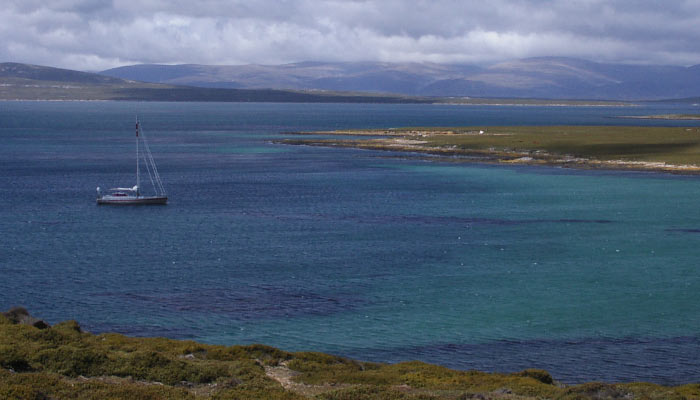
Typical Falkland Anchorage
Penguins, seals, albatross, petrels, as well as wildfowl and birds of prey are all in abundance here and relatively easy to approach. Battle sites and war memorials from the 1982 conflict with Argentina can also be visited if of interest.
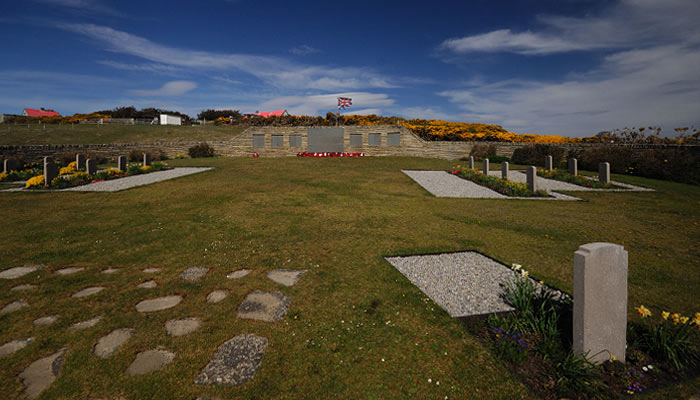
British memorial and cemetery San Carlos
We would visit many of the ‘Camps’ which are private sheep ranches usually
run by a family. Several of
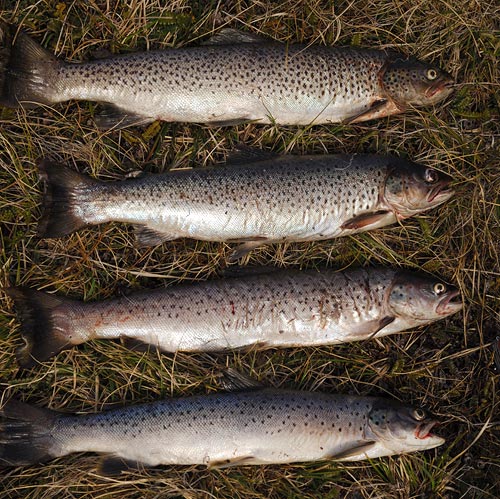 these
have streams with Brown and Sea Trout and
a local fee is paid to the landowner to fish. This is trout fishing at its
best - unspoiled and unadvertised.
these
have streams with Brown and Sea Trout and
a local fee is paid to the landowner to fish. This is trout fishing at its
best - unspoiled and unadvertised.
This is also a superb scuba diving location with clear water, hundreds of wrecks and prolific marine life. It has yet to be ‘discovered!’ See our Dive Support Services.
The itinerary would be dictated by the weather conditions. All sailing would be during the day and the evenings spent in protected anchorages. As in all our cruises, the emphasis would be to 'get ashore' and explore the countryside. We can take 8 to 10 guests on Vinson of Antarctica or six on Pelagic and charter times could vary from ten days to three weeks.
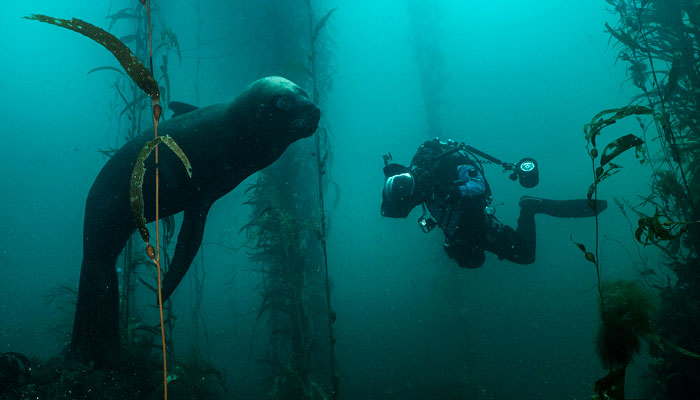
..a superb scuba diving location with clear water, hundreds of
wrecks and prolific marine life
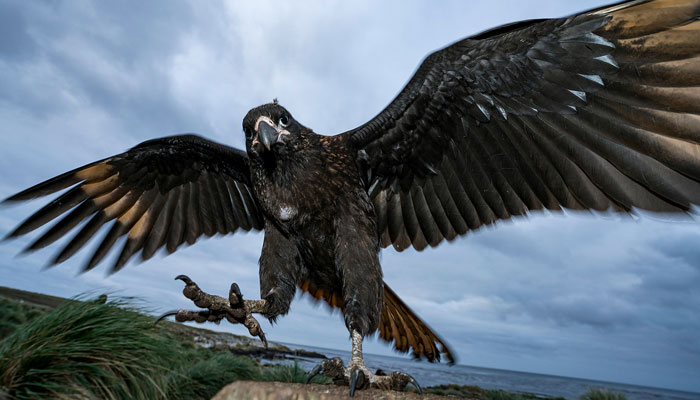 ..Penguins, seals, albatross, petrels, as well as wildfowl and birds of prey are all in abundance here. A Striated Caracara (Johnny Rook) comes in for a close look. Copyright Justin Hoffman
Climate
The Falklands are a windy place with an average wind speed 17 knots. Cool in summer with an average temperature of 15 degrees, it can be much warmer or colder depending on the weather patterns that move quickly across the archipelago from west to east. Downwind of Argentine Patagonia, it is more dry than wet, although rain and even snow flurries can occur in any month. In a word, it is variable!
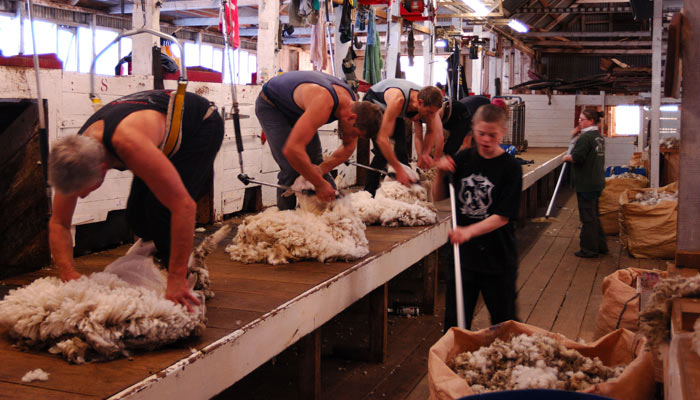
Sheep shearing Port Howard
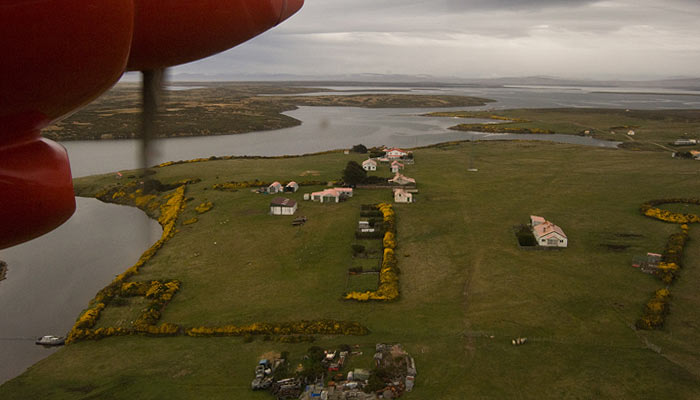
A typical settlement or Camp
Available Dates
We can navigate here all year round.
Travel Arrangements
Guests would either fly once weekly to the Mt. Pleasant Airport (MPA) on the East Falkland direct from the UK (Royal Air Force 747 from Brize Norton), or every Saturday from Punta Arenas via Santiago Chile on Lan Chile. They would be met on arrival and then take Land Rover transport either to the port of Stanley or by arrangement direct to one of the ‘Camps’ on East Falkland to meet either of the vessels. We strongly recommend that international return flights are fully flexible to allow for missed connections due to bad weather.
For more information on the Falkland Islands in general, see the Falkland Islands Tourist Board Website or contact: Falkland Islands Government House, 14 Broadway, Westminster, London SW1 HDB11. Tel: 44 (0)207 222 2542
Falklands Travel Agents
The Falklands are a specialist destination. Local agents to book your flights to Mount Pleasant Airport in the Falklands and arrange for transfer to the vessel once there are: International Tours and Travel LTD 1 Dean Street Stanley FIQQ1ZZ Falkland Islands +500 22041 tel +500 22042 fax se.itt@horizon.co.fk Contact: Sally Ellis
References
For an overview of what the Falklands have to offer see The Falkland Islands Tourist Board Website >>
Diving. See below for a video of our 2017 pilot diving and wildlife expedition:
Justin Hoffman Photos from Falklands Trip 2017. See justin's website www.justin-hoffman.com
Falkland Islands Close Up. A cruise of Falkland Island waters recounted by Magnus Day and Silvia Varela written for the Chronicles of The Cruising Club of America Issue 59. Click for 2 mb pdf of the full article >>
Falkland Islands Shores, 1982 pilotage and guide book by Ewen Southby-Tailyour.
A family Christmas in the Falklands See slide show below